

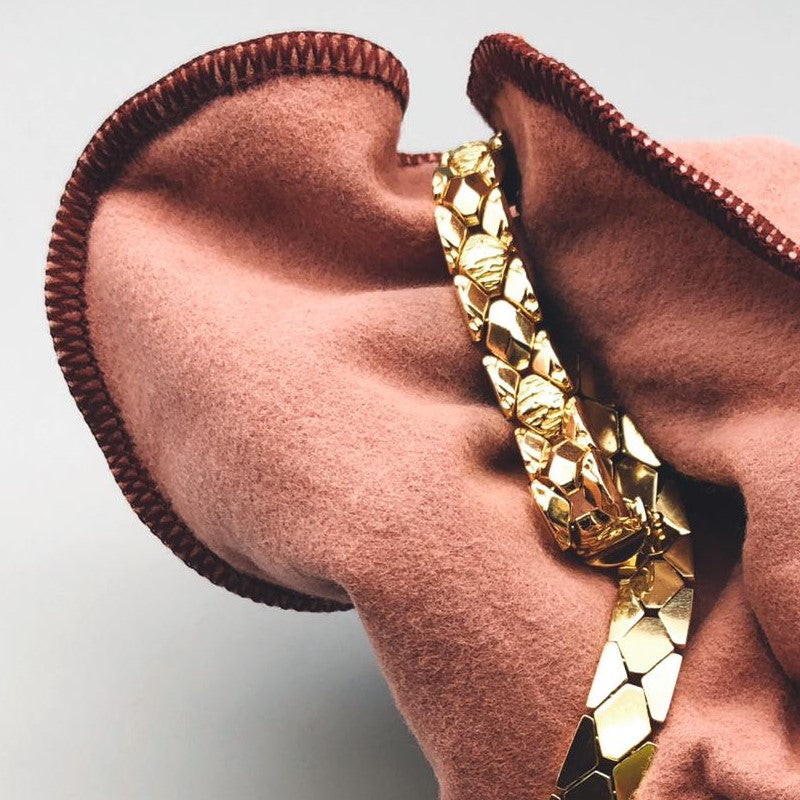

What could be more wonderful than unwrapping a new piece of jewellery or newly acquired vintage jewellery and being overwhelmed by its radiance. Jewellery brings so much joy. It is far too precious to be kept in a safe or jewellery box. Favourite pieces should be part of life. They are constant companions, bring good luck, tell stories, and share memories.
But daily wear, even for beloved pieces, is not without minor and major signs of wear. Of course, this patina is what makes vintage jewellery truly come alive. But vintage jewellery is an investment in genuine value, which must be cared for, protected, and preserved.
We have therefore put together a care guide for you, so that you can enjoy your pre-owned jewellery for as long as possible.
Since the main problems are tarnishing or loss of shine, you can take a few precautions in advance to prevent this process. After all, "tarnishing" is essentially nothing more than a chemical reaction – oxidation. This causes silver to turn black and gold to lose its shine. However, it is not the precious metal itself that reacts, but usually the additional metals necessarily added for further processing. This is why a high-precious-metal alloy, such as 750 gold, oxidises less strongly than an alloy of 333 gold. The substances responsible for this include sulphur in cosmetics and creams, adhesives in plastics, chlorine in swimming pools, salt in seawater, or simply environmental enrichment in the air.
However, this process can be largely prevented by following a few tips for storing and wearing vintage jewellery:
- Do not store vintage jewellery in the bathroom or in other places with high humidity, as it can discolour or tarnish more quickly there
- In the long term, it pays to store vintage jewellery dry in a jewellery box or on a cloth base. This also prevents dust, consisting of tiny but hard quartz particles, from affecting both the polish and the brilliance of the stones
- When storing and wearing gold & gemstone jewellery, friction should be avoided at all costs. Gemstones have different so-called scratch hardnesses and can quickly scratch or damage each other. They are also harder than gold, silver, and platinum, so they can also scratch the alloy
- To prevent delicate vintage necklaces, snake and cable chains, as well as omega rings, from bending or breaking, they should ideally be removed before going to bed
- Vintage jewellery does not necessarily need to be worn during sport. Chlorine and salt water attack the precious metal and can discolour or tarnish it. Sweat can also cause aggressive reactions. Caution is also required here, especially with coloured gemstones
- Since cosmetics, makeup, hairspray, and perfume can also be responsible for attacking the alloy and the stones, it is recommended to put on the vintage jewellery only after your bathing routine
- Generally, remove jewellery before doing heavy work in the household and garden – hard blows can split or break a gemstone. Larger coloured gemstones or those with inclusions should be handled with care
- Coloured gemstones and pearls do not like prolonged exposure to sunlight. The same applies to tanning beds and artificial sunlight. Strong radiation can reduce the colour intensity of the stones
- After wearing, it is best to wipe the vintage jewellery with a soft, lint-free cloth in the evening to free it from daily dirt, salt, and grease
Tips for cleaning vintage jewellery
If your beloved vintage jewellery does show a few signs of wear or impurities, these can usually be removed.
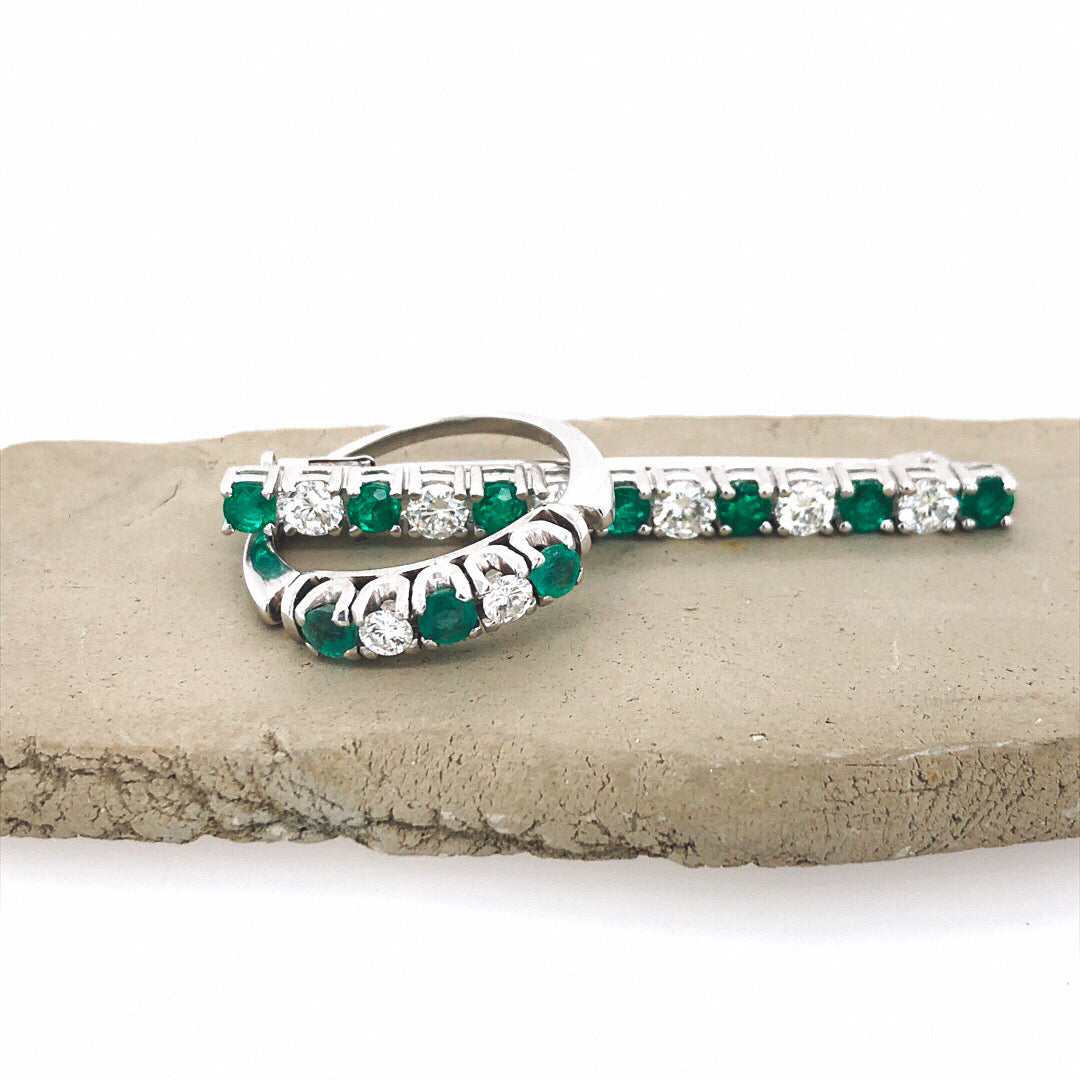
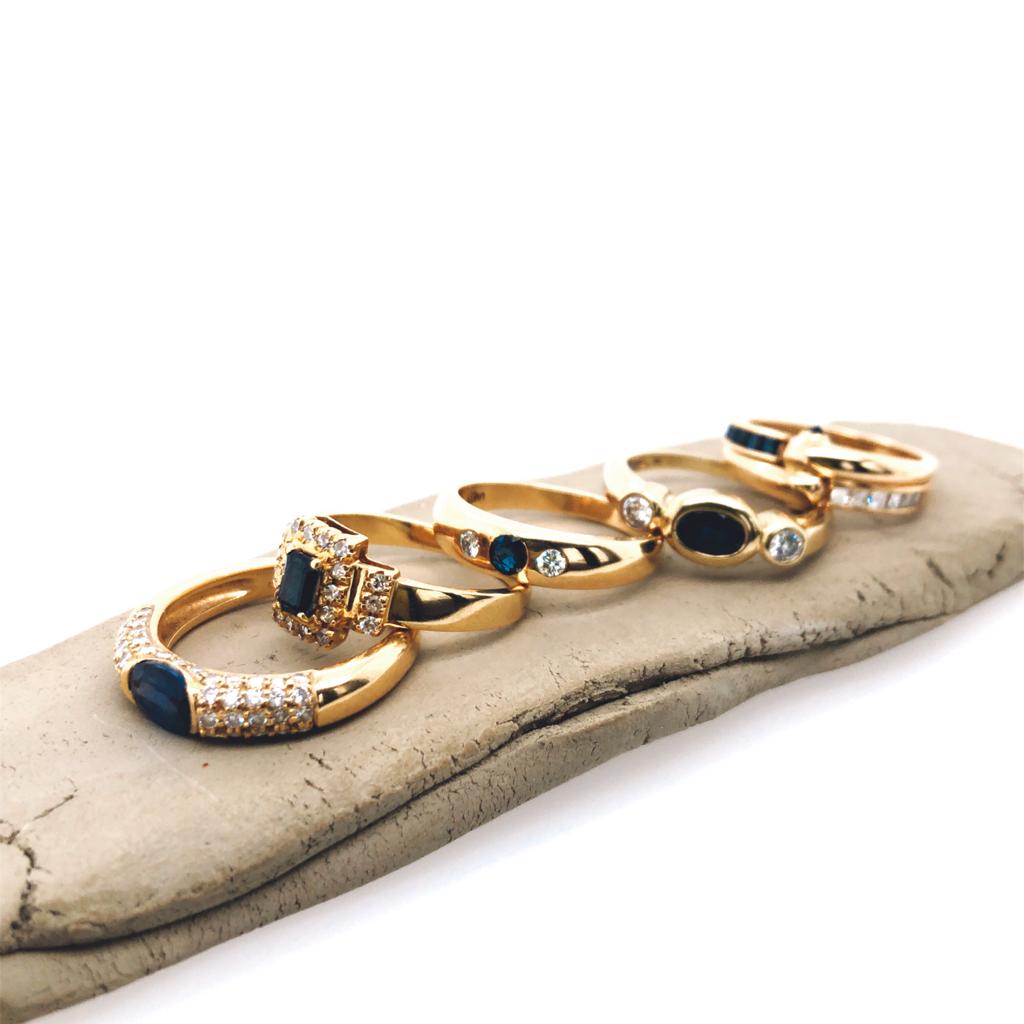
Here are a few points to consider, especially so that coloured stones are not damaged. Brilliant-cut or diamond, sapphire and garnet jewellery are very easy to care for. They are all relatively insensitive. With rubies and emeralds, a little more caution is required. They often have inclusions and so-called stress cracks, into which liquid can penetrate. This can destroy the beautiful/magical fire. Therefore, caution is advised when cleaning with water or in an ultrasonic bath. Gemstones on an organic basis such as turquoise, malachite, coral, opal, as well as imitations, absolutely do not like aggressive agents. They become dull and change colour when exposed to harsh cleaning substances. If you are unsure whether your jewellery can be cleaned, always ask a professional first.PreJou cannot accept liability for damage caused by improper cleaning.
Cleaning with a mild soap solution is effective and simple. Place the vintage jewellery in the lukewarm solution for a while. Then remove the loosened dirt with a soft toothbrush. Under no circumstances use toothpaste or aggressive cleaning agents. Not every mineral can withstand this rough treatment. Afterwards, rinse the jewellery thoroughly under lukewarm water and pat dry with a soft, lint-free cloth. This prevents unsightly water marks from forming. However, with hollow pieces of jewellery, such as chains, bangles, bracelets, and hoop earrings, it takes quite a while until they are dry on the inside too.

"Silver or gold polishing cloths" - available at drugstores, department stores, and specialist retailers - can quickly and easily restore the shine to your vintage jewellery again.

The "jewellery dip bath" - available specifically for gold or silver jewellery - can also work wonders. It is child's play to use. Simply immerse the vintage jewellery in the bath for a few seconds and then rinse thoroughly under lukewarm water. However, if you leave the pieces to be cleaned in the bath for too long, the positive effect can turn into a negative one and damage the jewellery. Therefore, always follow the operating instructions and time specifications on the packaging. Gemstones on an organic basis and pearls must never be immersed in the bath (see the first section of this chapter for more information).
For anyone who already has a beautiful collection of real jewellery at home, purchasing an ultrasonic device can be worthwhile. However, devices for home use are not as effective as professional ultrasonic devices at the jeweller.

If our care guide for vintage jewellery no longer produces the desired results over time, we recommend that you go to a professional. It pays to occasionally put your vintage jewellery in the hands of an expert for cleaning and refurbishment. In our jewellery service, you can have your favourite pieces polished to a high shine, have settings and clasps checked, commission alterations, or even have custom-made individual pieces created.



Leave a comment (all fields required)